
We exist so more Indigenous students see themselves in STEM.
Seeing people like you in a lab changes what feels possible. In 2008, we built a program so more First Nations, Métis, and Inuit students get that experience.
Who We Are
The Verna J. Kirkness Education Foundation addresses the under-representation of First Nations, Métis, and Inuit students at Canadian universities — one factor being the lack of academic role models for these students.
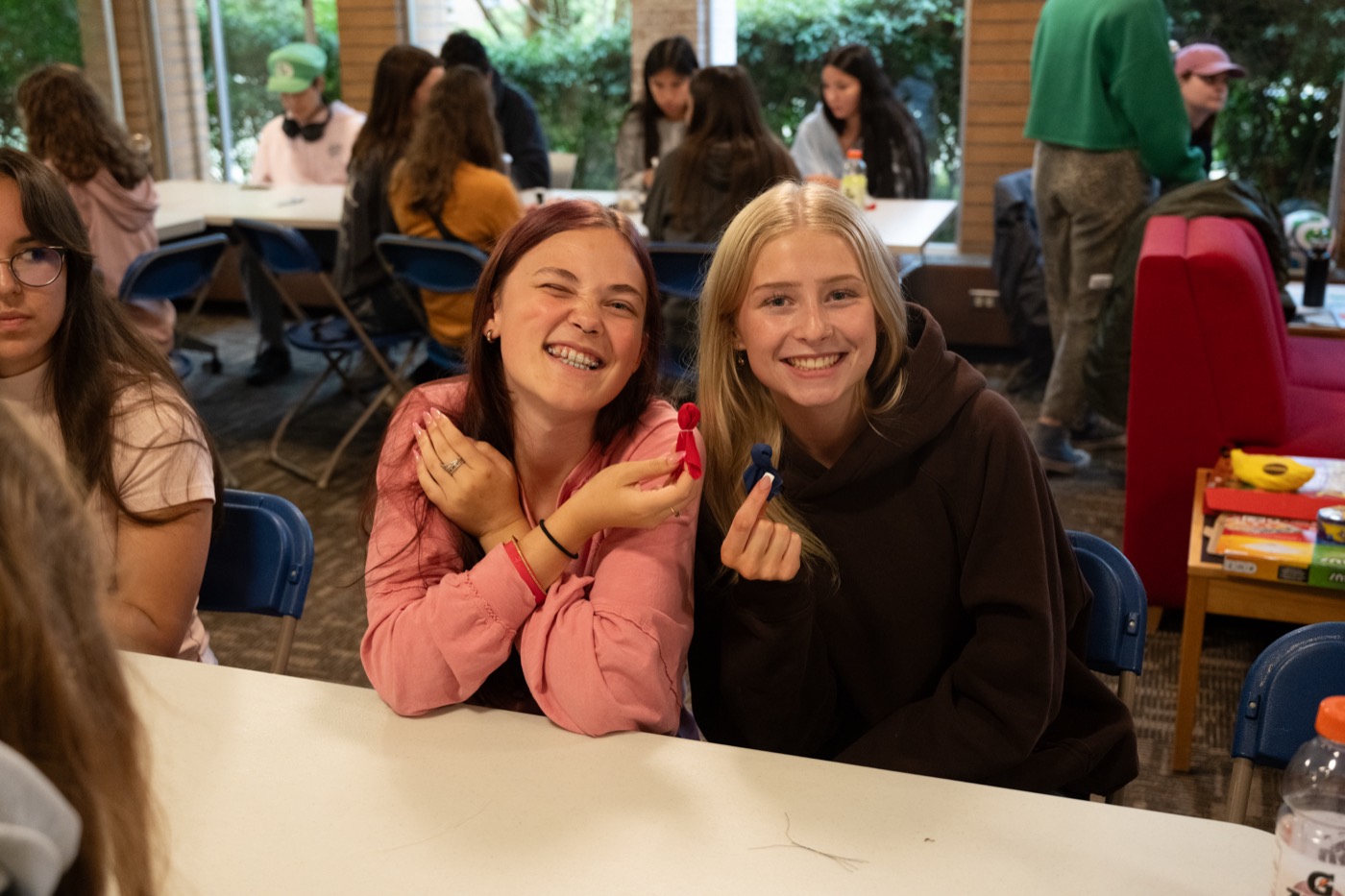
We address this by offering scholarships to Indigenous students in Grade 11 to spend a week at a Canadian university, interacting and learning with professors and their research teams.
To increase the number of Indigenous students graduating from pure and applied science, engineering, and mathematics programs in Canada.
Hands-on experience
Students experience firsthand what it’s like to live, study, and work on a university campus.
Create connections
Students build lifelong connections with their university mentors and with fellow Indigenous students from across the country.
The VJKF Program
Each year, the Foundation brings more than 100 First Nations, Métis, and Inuit high school students to campuses across Canada for a transformative week of hands-on learning and cultural exchange, paired with professors and researchers in science, engineering, and health sciences.
Students experience academic life up close, as active participants. These week-long programs build confidence, spark curiosity, and show students that post-secondary education is not only possible, but within reach.
Apply in Grade 11
Get matched with a mentor
Spend a week on campus
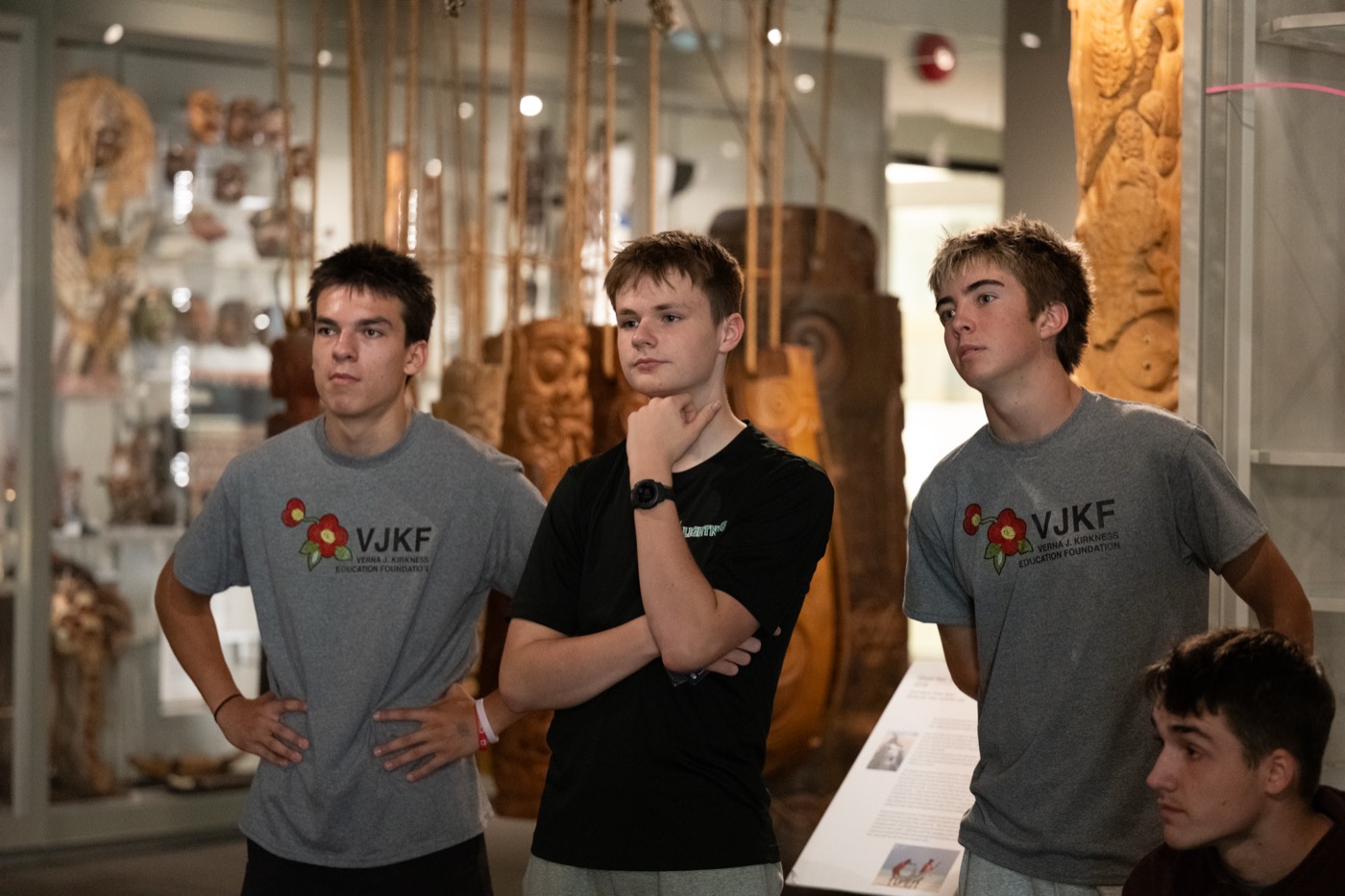
Three supports, one week, a lifetime of confidence.
Mentorship
Students are paired with mentors who inspire, guide and support them as they explore their academic and career goals.
Indigenous campus supports
Culturally relevant resources and a welcoming environment, so students feel supported and valued on their academic journey.
Campus experience
For a week, students live in university residence and experience campus life firsthand.
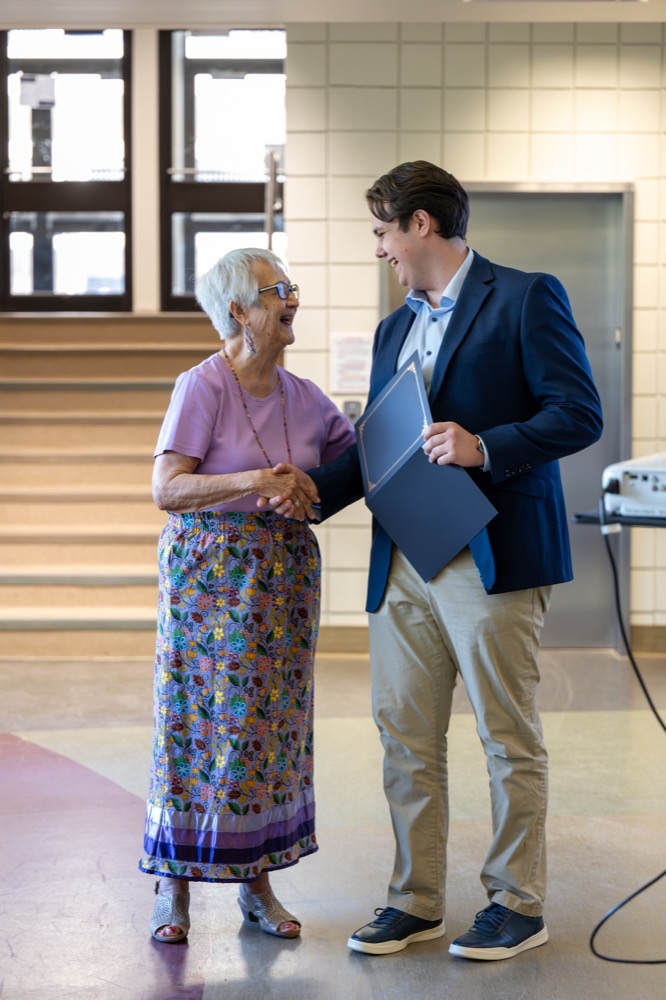
Meet Verna J. Kirkness
Verna J. Kirkness is a member of the Fisher River Cree Nation in Manitoba. She is a lifelong advocate of Indigenous education and has created many learning opportunities for Indigenous people at all levels — extending new programs, access, support services, and cultural enrichment that scholars continue to build on.
Dr. Kirkness has written and edited nine books, including her autobiography, Creating Space, and has published numerous articles on Indigenous education in academic journals across Canada and internationally. For more than five decades, she has been a leading spokesperson for Indigenous education.
Where We Began
In 2008, Ron Woznow and Susan O’Brien founded what is now the Verna J. Kirkness Education Foundation — registered as a Canadian charity under the name Family Food Research Foundation, with a goal of increasing the number of First Nations, Métis, and Inuit students graduating from post-secondary science programs.
In 2010, Dr. Emőke Szathmáry, past president of the University of Manitoba, introduced Ron to Dr. Verna J. Kirkness — already regarded as the leading Indigenous educator in Canada. She believed in what they had built and agreed to lend her name to the Foundation, which has carried her name, and her vision, ever since.
Ron Woznow & Susan O’Brien founded the Foundation in 2008 and secured its earliest support through AFMNet.
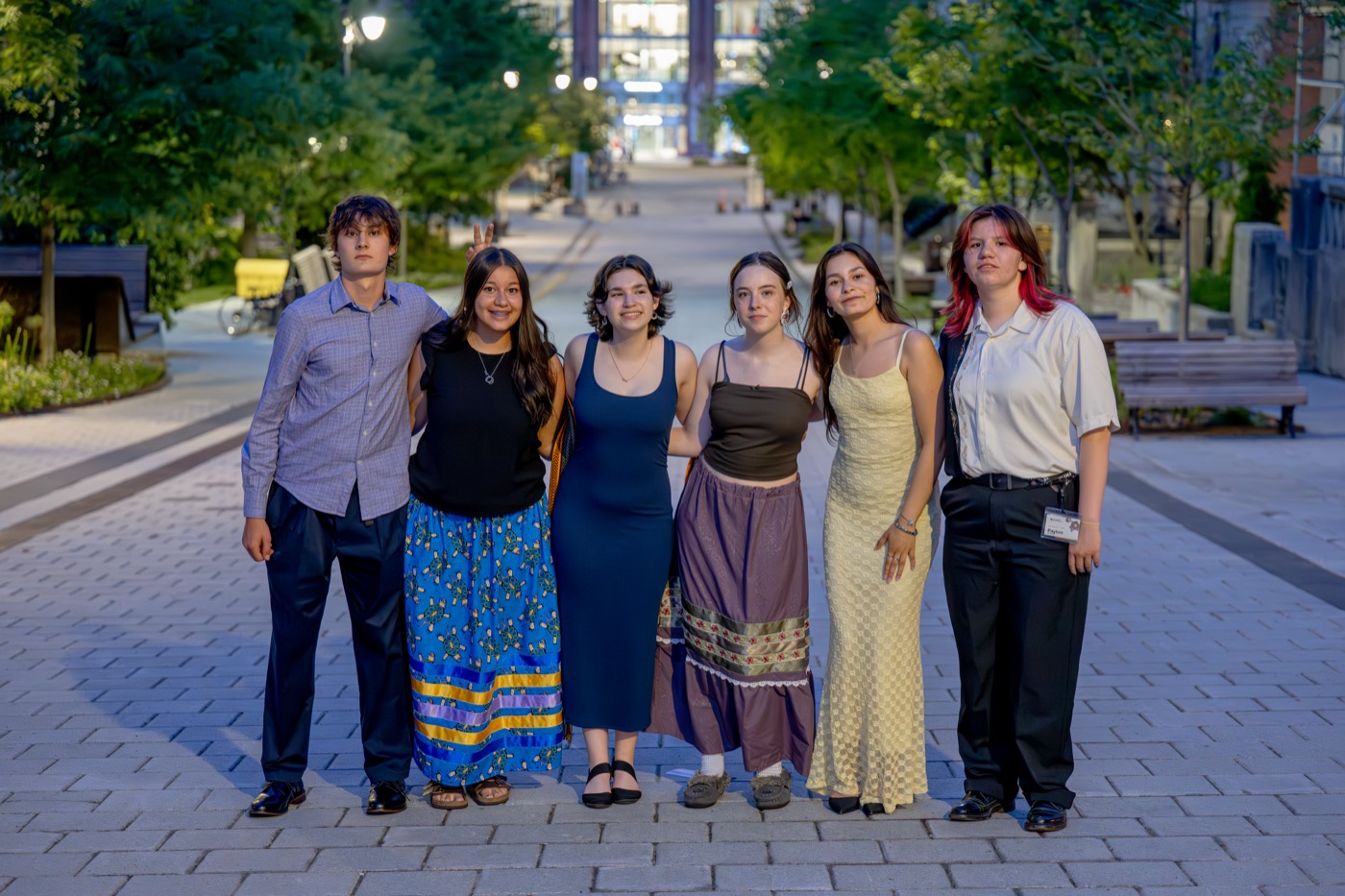
The Foundation was founded in 2008 by Ron Woznow and Susan O’Brien and was originally named the Family Food Research Foundation. It is a registered Canadian charity, with a goal that has not changed since day one: increase the number of First Nations, Métis, and Inuit students graduating from post-secondary science programs.
At the time, Dr. Woznow was CEO of the Advanced Food and Materials Network (AFMNet), which provided the Foundation with seed funding in 2008, 2009, and 2010. That funding became the Foundation’s first program in 2009 — “Be a Food Researcher for a Week” — giving students a week on campus learning about food research and the supports available to them if they pursued post-secondary studies.
That program was itself modelled on “Be a Genetic Researcher for a Week,” which Dr. Woznow had started in 2001 while CEO of the Canadian Genetic Diseases Network — bringing nearly a decade of experience building student research programs to what would become the Verna J. Kirkness Education Foundation.
Susan O’Brien went on to serve as volunteer foundation administrator from 2009 to 2020, personally facilitating 550 students’ attendance at 10 different universities. She passed away in January 2022, and the Susan O’Brien Memorial Scholarship was created in her honour.
How the program has grown.
-
2008
Founded by Ron Woznow & Susan O’Brien
Registered as a Canadian charity — originally the Family Food Research Foundation — to help Indigenous students pursue post-secondary science.
-
2009
“Be a Food Researcher for a Week”
The first program gave students a week on campus learning about food research and the supports available to them in post-secondary study.
-
2010
Renamed for Dr. Verna J. Kirkness
Widely regarded as the leading Indigenous educator in Canada, Dr. Kirkness agreed to lend her name to the Foundation.
-
2012 – 2016
First campuses
Hosted at the University of Manitoba, then joined by the University of Saskatchewan in 2015 and the University of British Columbia in 2016.
-
2018
Three more partners
The program expanded to the University of Calgary, First Nations University of Canada, and the University of Ottawa.
-
2019
Eight programs nationwide
Victoria and Alberta joined, bringing the total to eight. That year 130 students attended, mentored by 53 professors and research associates.
-
2026
106 students, five campuses
Programs at the University of Manitoba, McGill University, the University of Saskatchewan, the University of Calgary and the University of British Columbia, with students from 64 communities in 10 provinces and territories — and more than 1,000 alumni since 2009.
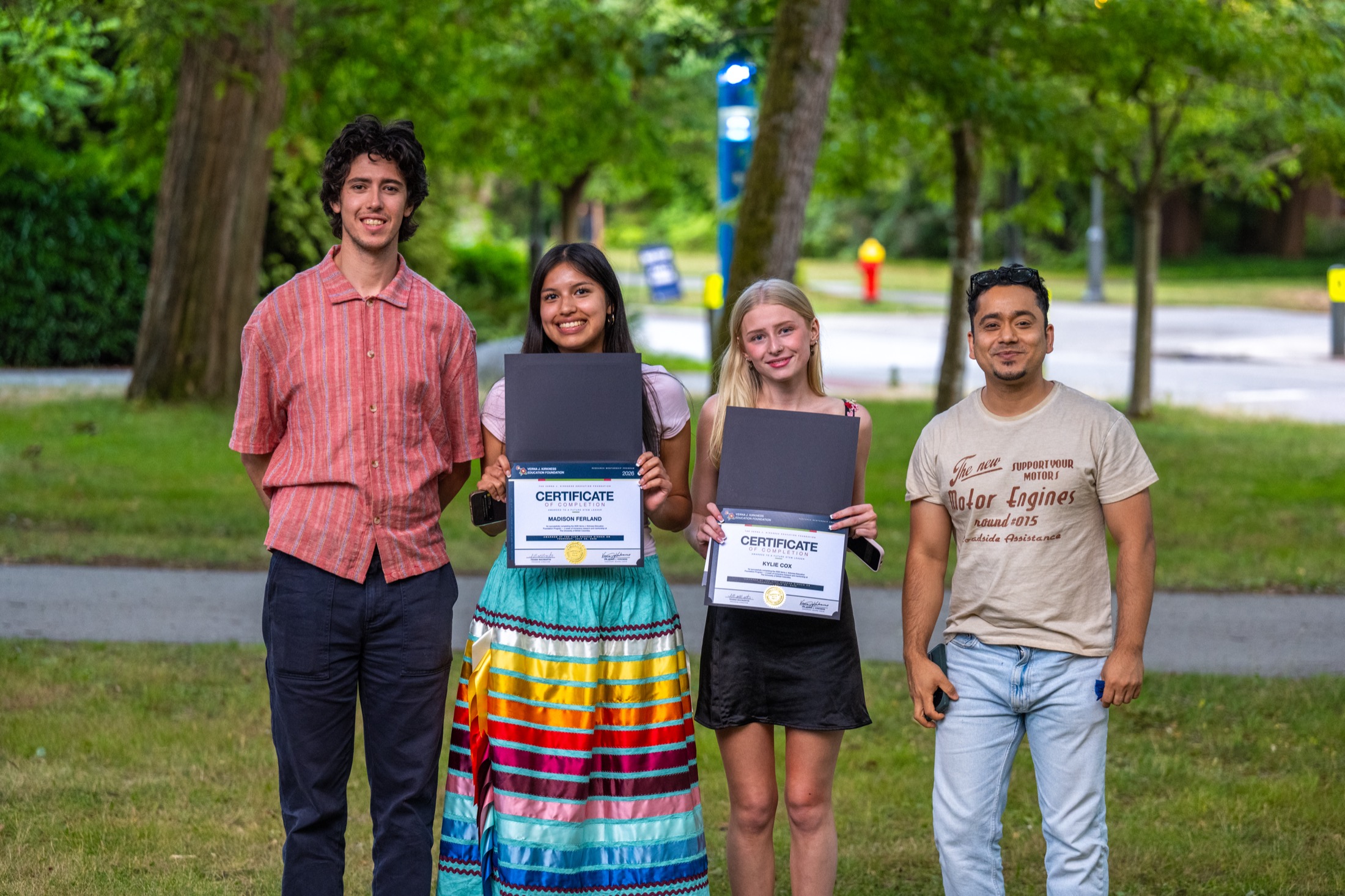
See the program up close.
Explore how a week in the lab changes what’s possible for a student.