

One week. A lifetime of opportunity.
Spend a week at a Canadian university doing real research with a university research team — living in residence, meeting Indigenous students and staff, and finding out what university actually feels like.
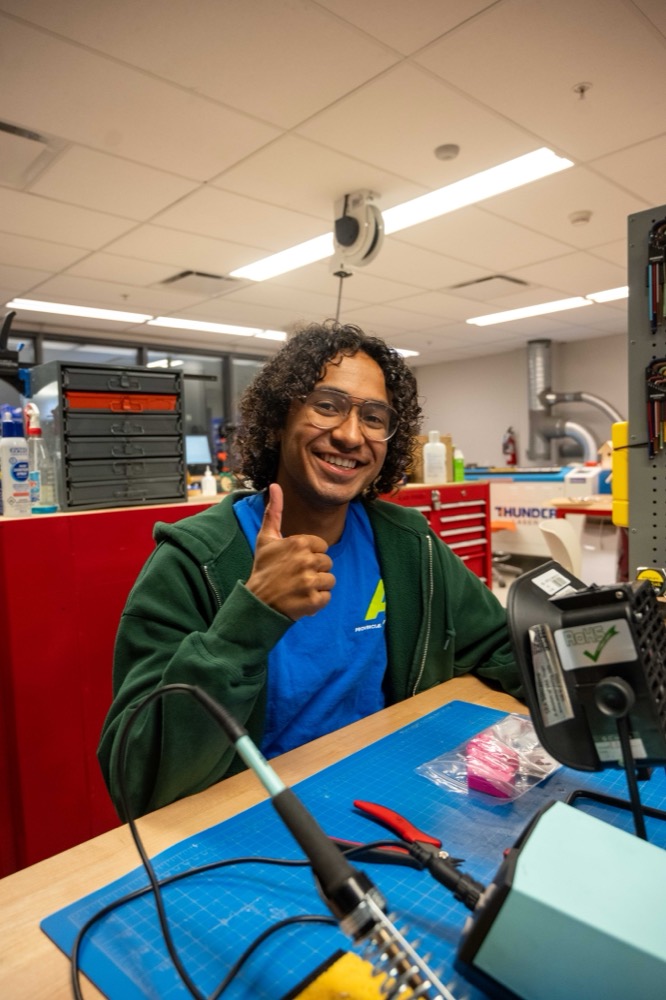
Experience university before you apply.
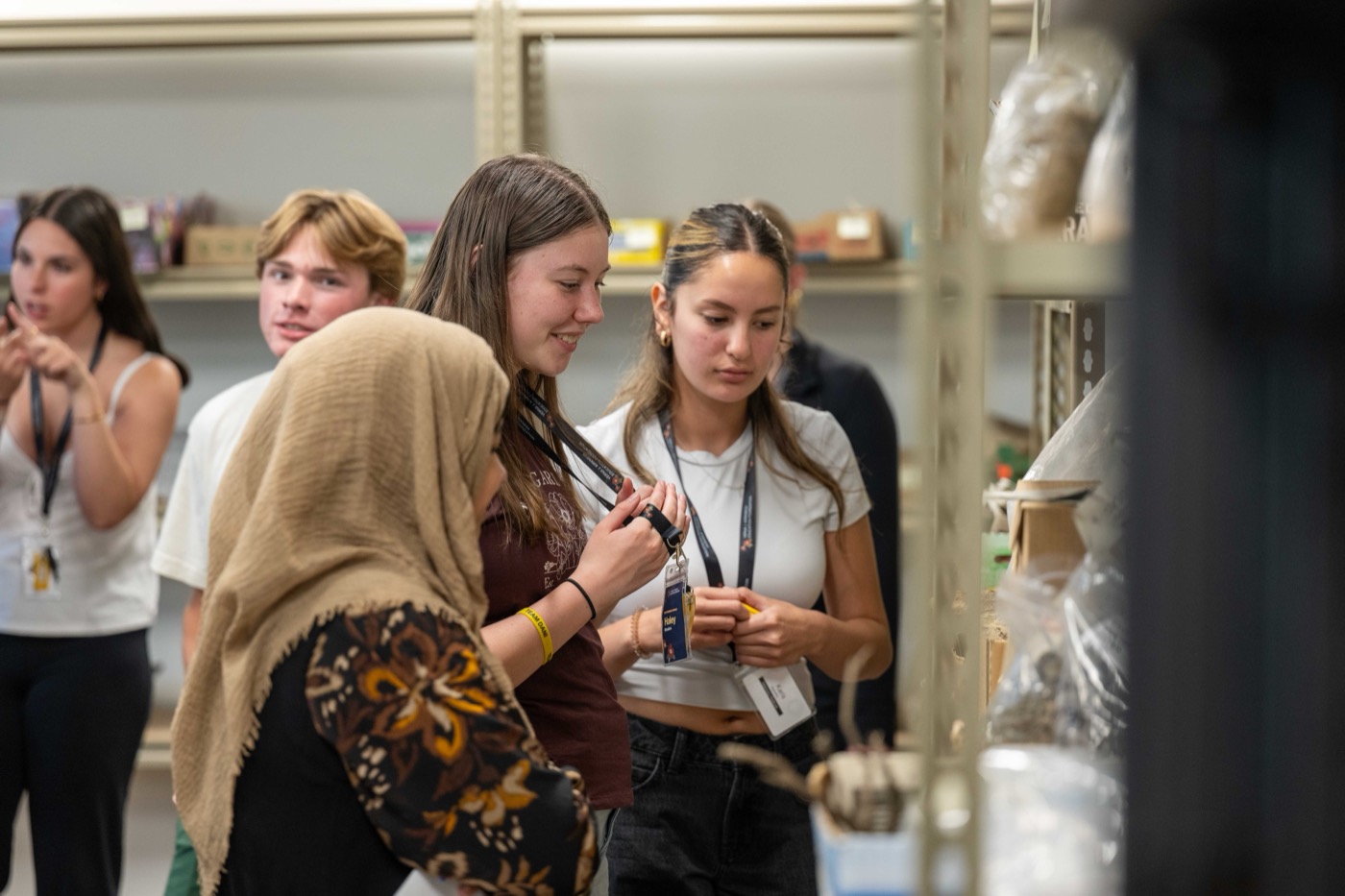
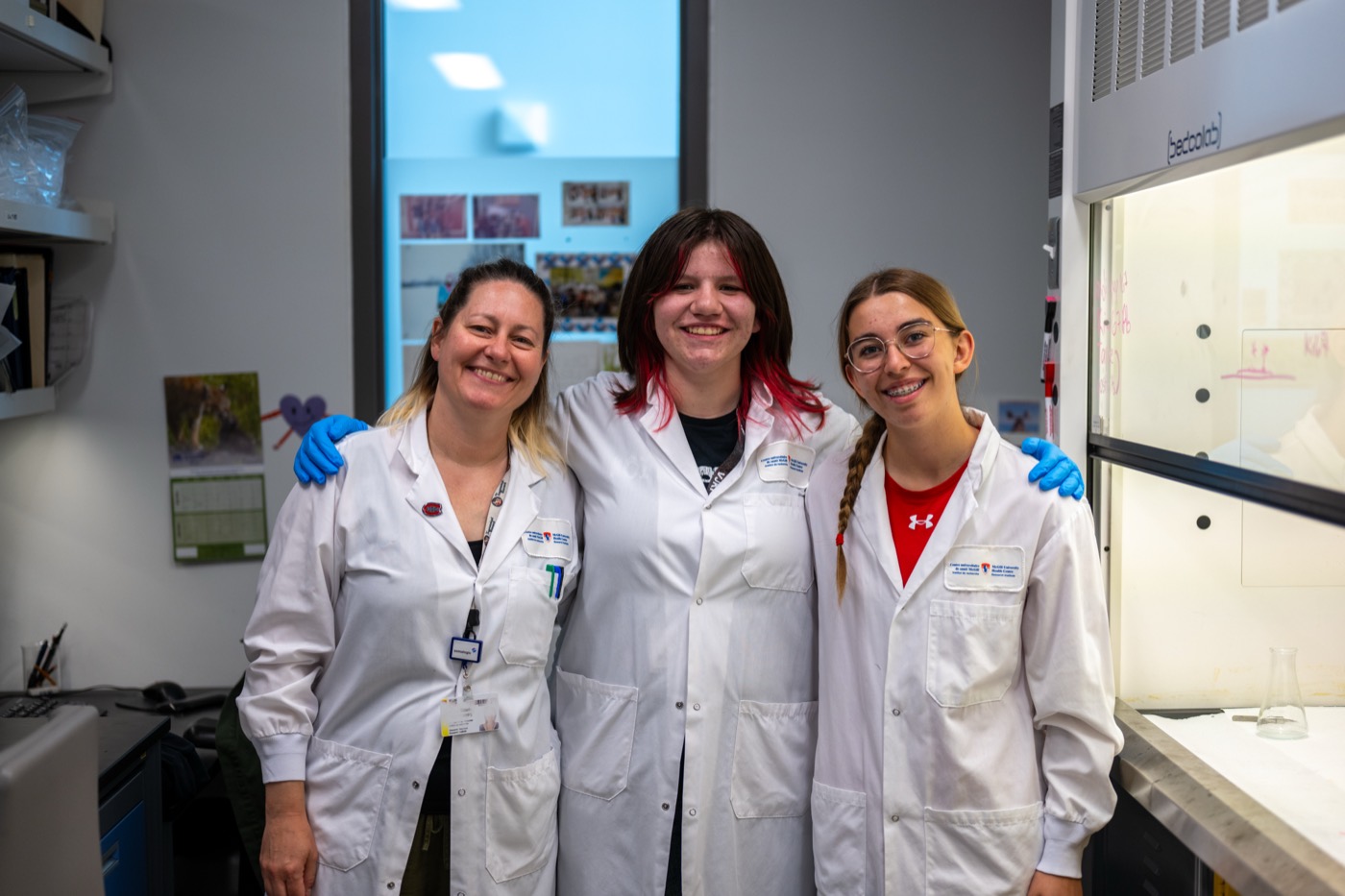
You join a university research team — professors, graduate students and lab staff — and work on a real project with them: analysing data, running experiments, and using equipment most high school students never get to try.
You live in residence, eat in the dining halls, and spend time with Indigenous students and staff who have walked the same path. On the last day you present what you worked on, and you go home with a clearer picture of what your future could look like.
Hands-on research
From analysing environmental data to testing engineering technology, you build practical skills that bring science, engineering and math to life.
Mentored by a research team
Scientists, engineers and graduate students guide you through your project and help you explore where STEM could take you.
Culturally grounded
Cultural events, storytelling and Indigenous campus supports run through the whole week, with students from communities across the country.
Real university life
Residence, dining halls, libraries and student life — your chance to find out what being a university student really feels like.
“My mentor was outstanding. Incredibly friendly and enthusiastic, and her passion for engineering was contagious.”
From arrival to celebration.
Every program is a little different, so your week won’t look exactly like this — but this is the shape of it.
Move in & meet new friends
You arrive on campus and settle into your room in residence. In the evening there’s a welcome event — icebreaker games, a pizza night, or a movie. Relaxed, and all about meeting the people you’ll spend the week with.
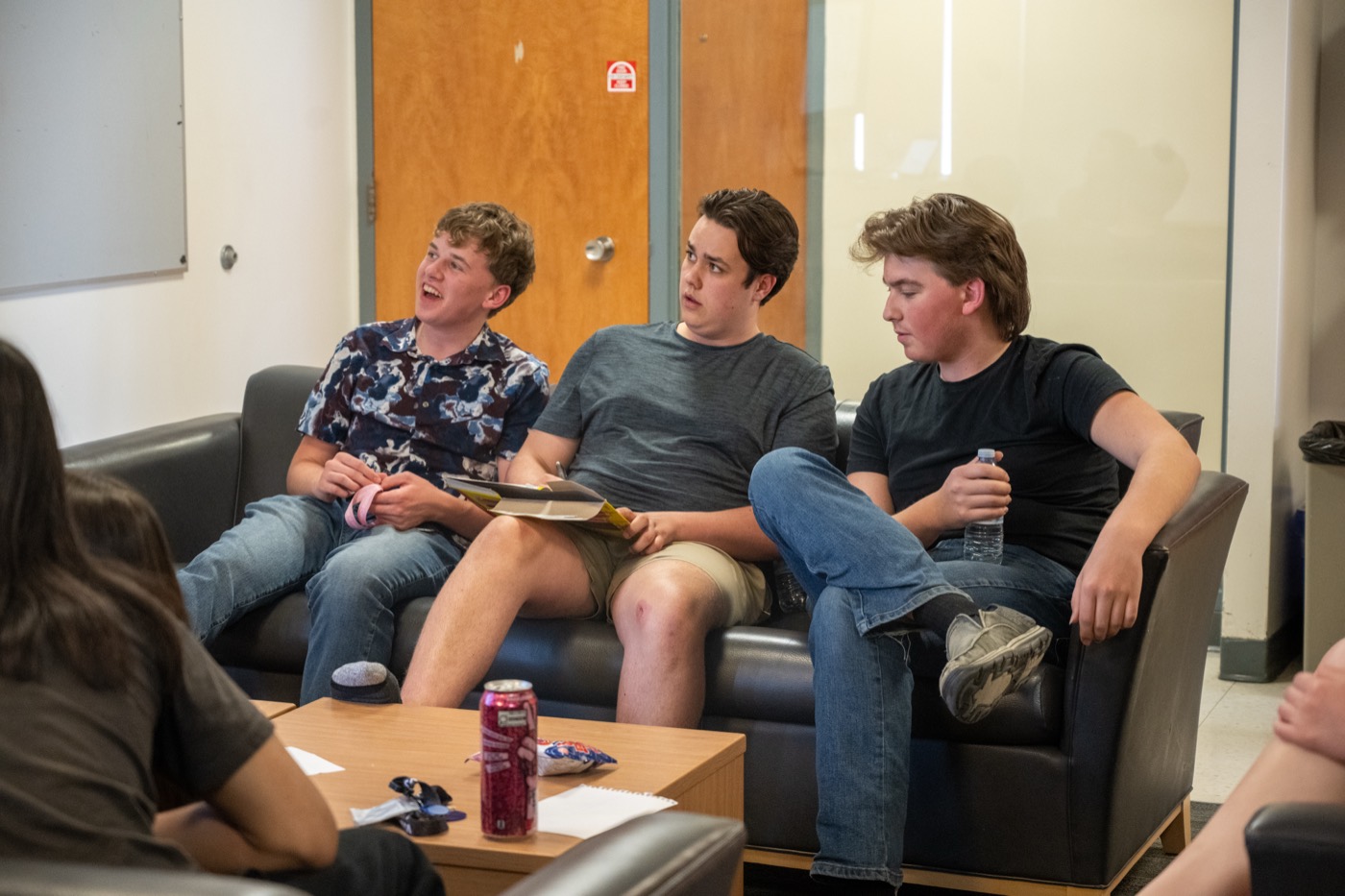
Explore campus & meet your mentor
Your first full day usually starts with a campus tour, a visit to student services, and an introduction to the Indigenous supports on campus. You meet your mentor and begin your research sessions, with a group activity in the evening.
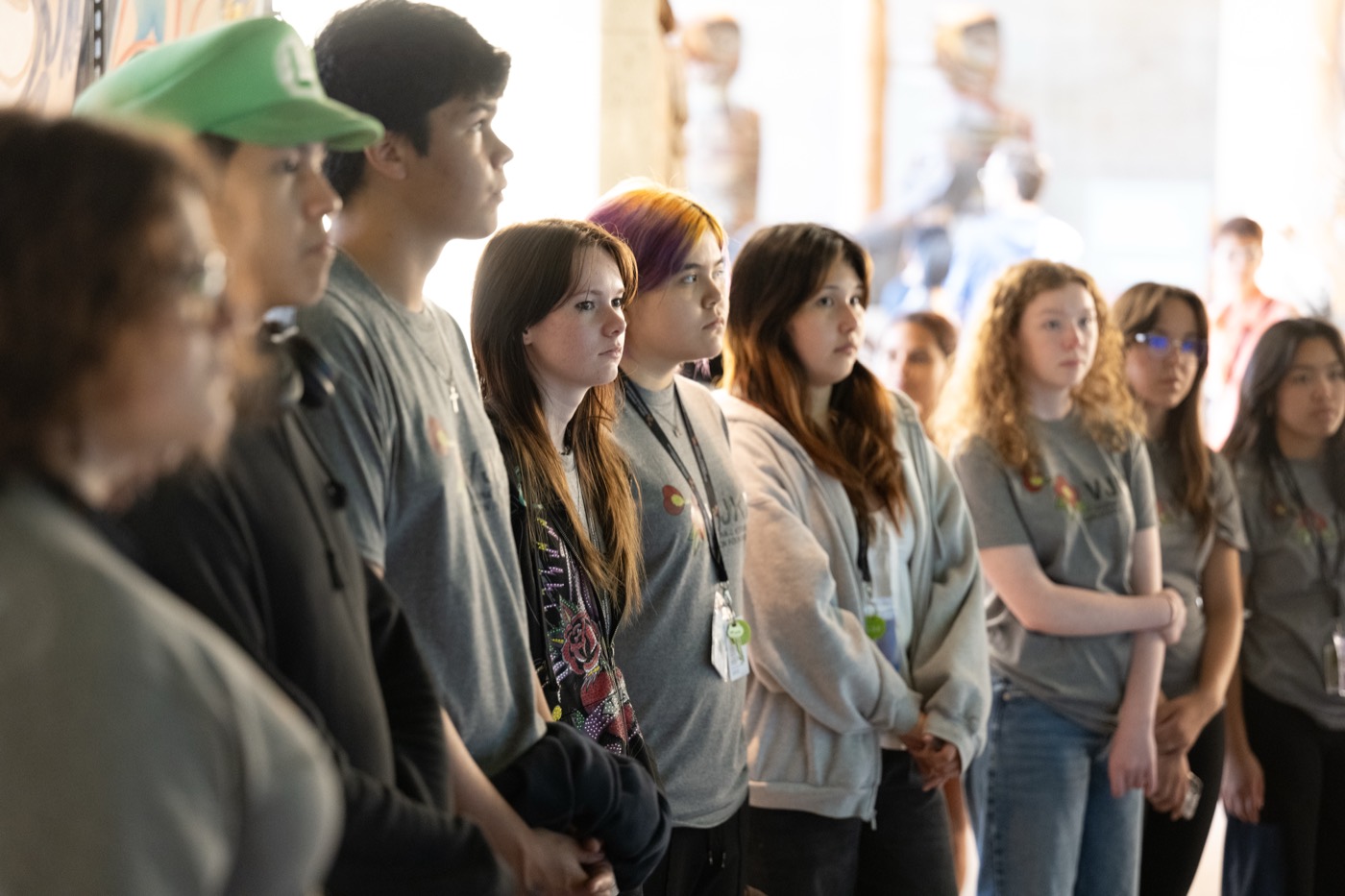
Your first full day in the lab
Tuesday is usually your first full day of research — working on your project with your mentor and their team from morning through the afternoon. Evenings usually bring social events — games, group challenges, or just time with your new friends.
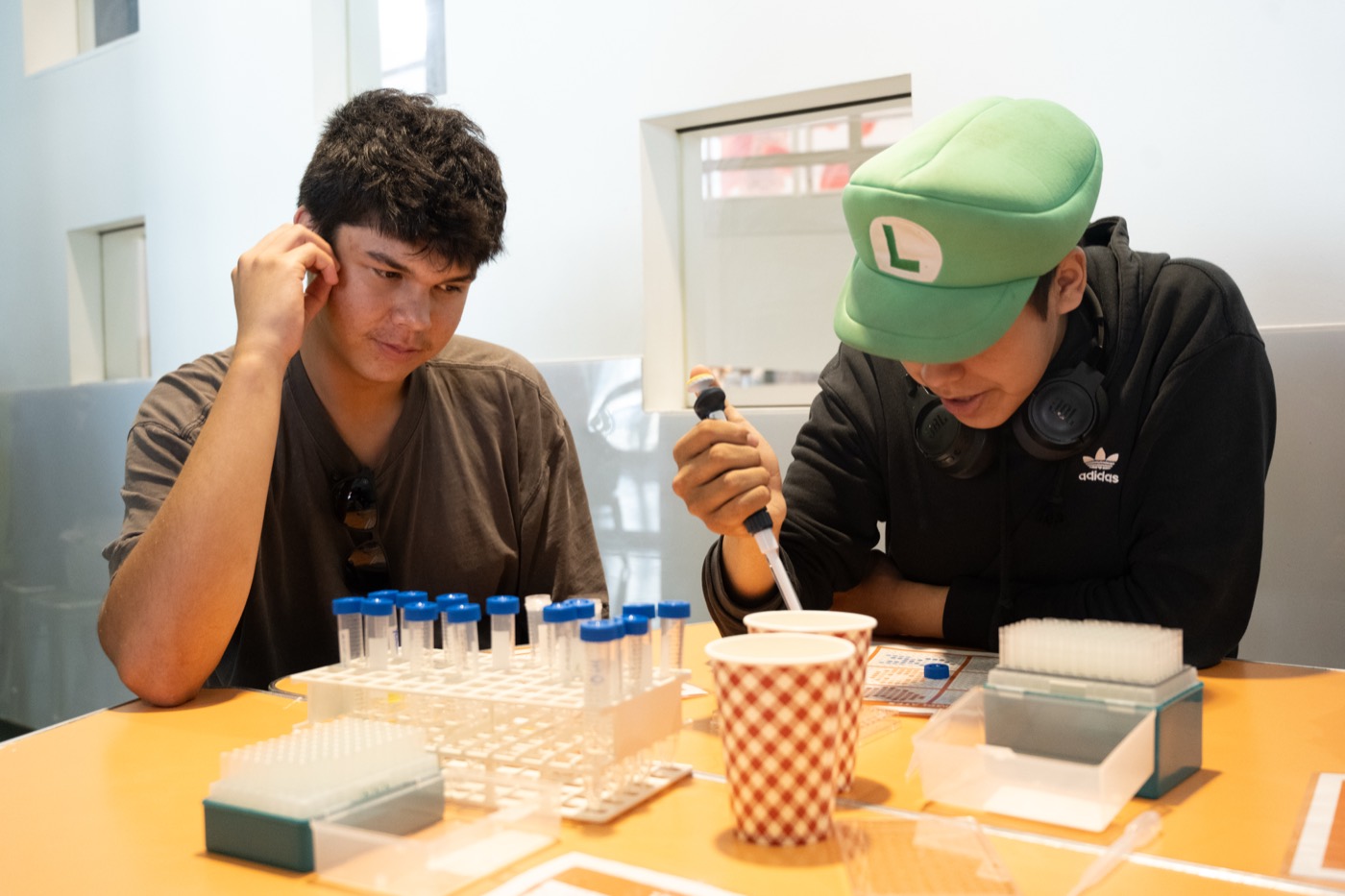
Keep learning & get inspired
More time on your project with your mentor. Some programs bring in guest speakers or run a cultural workshop. Evenings are yours — join a group event, or relax and hang out.
Wrap up & the honour dinner
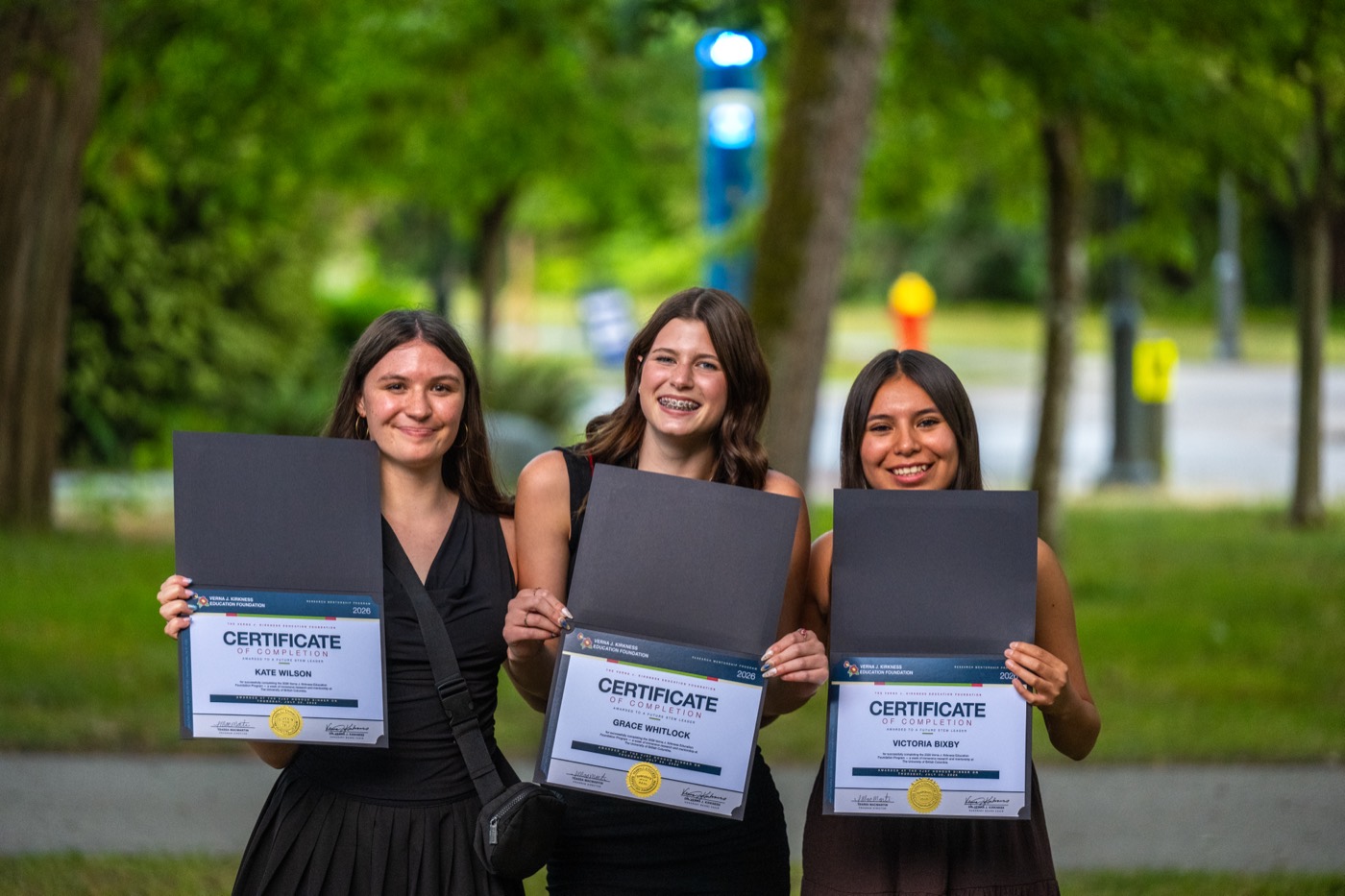
Usually your last day with your mentor, finishing your project or preparing what you’ll share. At night you attend the honour dinner — a catered celebration of your work, with your mentors, your friends, and university staff there with you.
Present & say goodbye
You give a short presentation on what you learned or built during the week — and finish the program as a Kirkness Scholar. After lunch it’s time to head home, with new experiences, new friends, a mentor who stays in touch, and ideas about what comes next.
You are smart enough. You can do this.
- ✓ You self-identify as First Nations (status or non-status), Métis, or Inuit
- ✓ You are currently in Grade 11
- ✓ You’re curious about science, engineering, or math — even if you’re not sure yet
Your mentor and their team will get to know you, show you their work, and support you as you learn. You don’t need top marks. You don’t need your future figured out. You need to be curious.
Grade 10 and Grade 12 students are welcome to apply and will be placed on a waitlist.
Read More Questions Like This
Completely free. Every cost covered.
Every accepted student receives a VJKF Program Scholarship, and applying is free. The only things you might pay for are optional extras — something from the campus store, or a snack between meals.
- ✓Flights & travelTo campus and home again, arranged with you
- ✓Residence roomOn the same floor as the rest of your group
- ✓All mealsIn the dining hall, plus group events
- ✓Program activitiesLab time, workshops and the honour dinner
One week between May and August, on campuses across Canada.
In 2026 we ran five programs — at the University of Manitoba, McGill University, the University of Saskatchewan, the University of Calgary, and the University of British Columbia. Programs have also been hosted at the University of Alberta, the University of Ottawa, the University of Victoria, and First Nations University of Canada.
When you apply, you tell us which weeks you can’t make. We then match you to a week and a research project that fit your interests — so the more weeks you’re free, the better your chance of a great match.
Three things to put together.
The application takes about 20 minutes, plus time to write your essay. Can’t apply online? Contact us and we’ll work out another way.
-
Step 1
A short essay
Up to 400 words on one of three prompts — a STEM story from the news, your community and what you’d bring back, or your goals for university.
-
Step 2
A letter of recommendation
From a teacher, counsellor, or someone else at your school who knows you. Ask early so they have time.
-
Step 3
Parent or guardian consent
The signed consent form — download it, have it signed, and upload it with your application.
Decisions go out in February, so you have plenty of time to tell your teachers, plan around exams, and get organised. There is also downtime during the week to keep up with schoolwork.
What you’ll want to know.
Sending a young person across the country is a big decision. Here is how the week is actually run.
Supervision
Every student is met on arrival by a member of the VJKF team. Programs run 10–30 students, and larger programs have more supervisors. Students travel in pairs to and from their classes, and a graduate student or mentor can be arranged to accompany them.
Curfew and expectations
Students are back in their rooms by 10:00 PM each night. Before the program you receive a packet covering rules and expectations, and the on-site coordinator reviews all of it again on the first day.
Travel and airport pickup
If your student flies, our team works through travel arrangements with you directly and documents an itinerary including pick-up and drop-off. You will know in advance who is meeting them, and that person carries a VJKF marker so they are easy to identify.
Accommodation
Students stay together on the same floor of a university residence hall. Most residences are quiet during our program weeks, though other visiting groups are sometimes on site.
Cost to families
Free. Travel, accommodation, meals and program activities are all covered by the student’s VJKF Program Scholarship, made possible by our sponsors, donors and university partners.
Talk to us first
If you would feel better knowing more before your student applies, we will happily set up a meeting with our Program Director. Email info@vjkf.org and we’ll arrange a time.
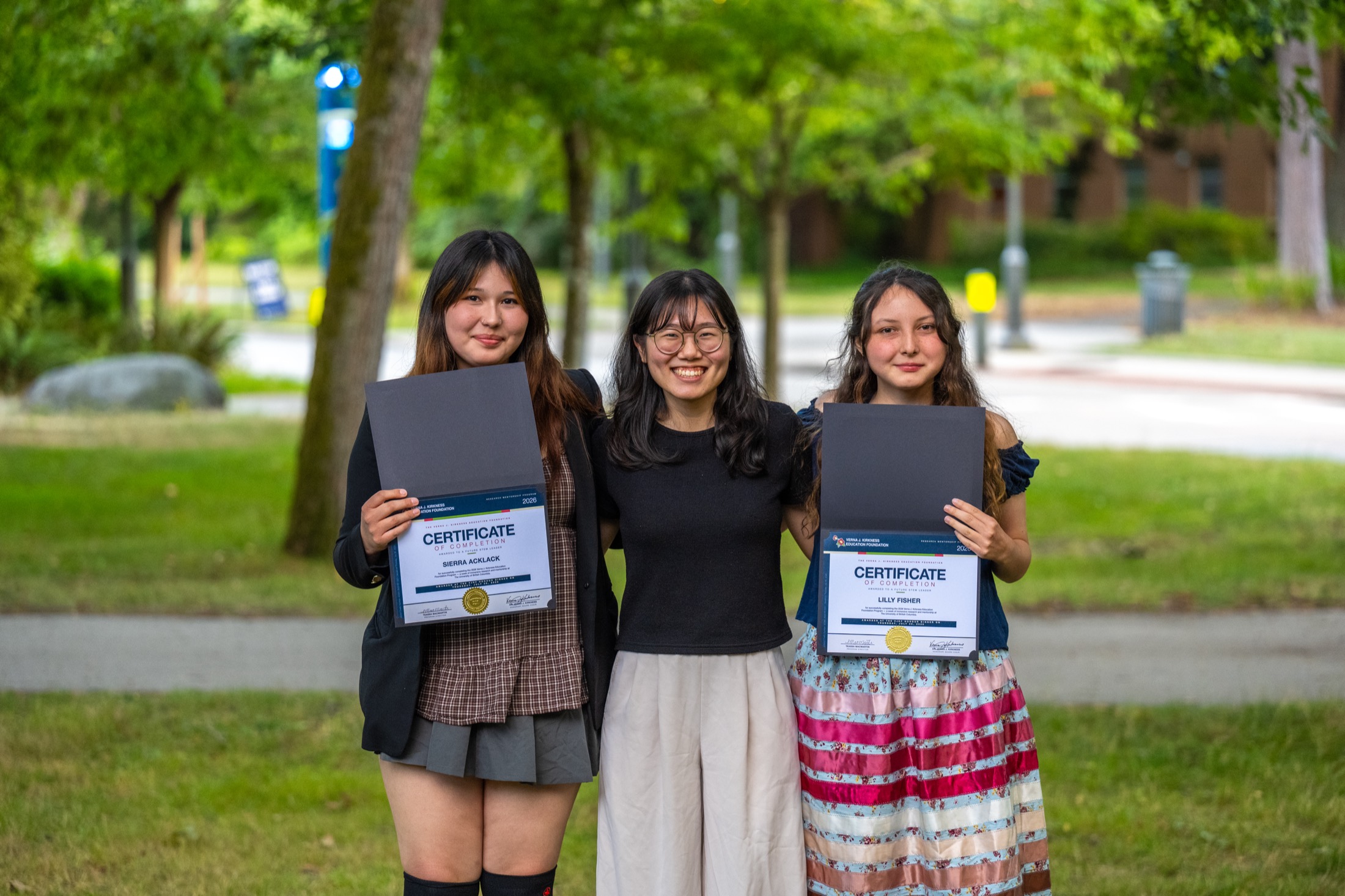
Every student finishes the week by presenting their research — and leaves as a Kirkness Scholar, with a certificate, a mentor, and a network.
What scholars say about the week.
I enjoyed meeting all the other students here and being able to immerse myself into an environment I wouldn’t be able to access otherwise.Julia MitchellDryden, ON · 2026 McGill program
This was one of the best weeks of my life.Mara LittlechiefRegina, SK · 2026 University of Manitoba program
Applications for 2027 open October 27, 2026.
Applications for 2027 are open.
Teachers and counsellors: email info@vjkf.org and we’ll send material you can share with your students.